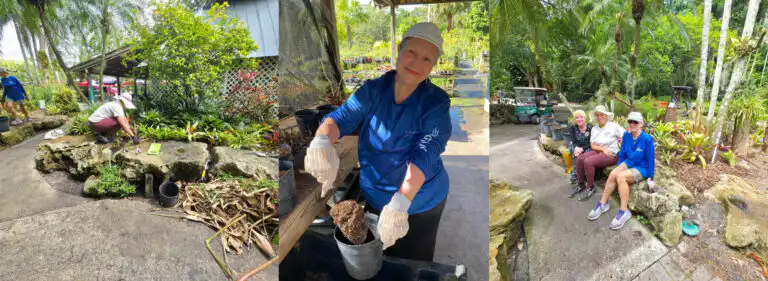

June was a powerful month for Flamingo Gardens’ Eco-Teers, as volunteers came together to fight pollution and restore critical native habitats across South Florida. Here’s a look at the incredible work they accomplished:
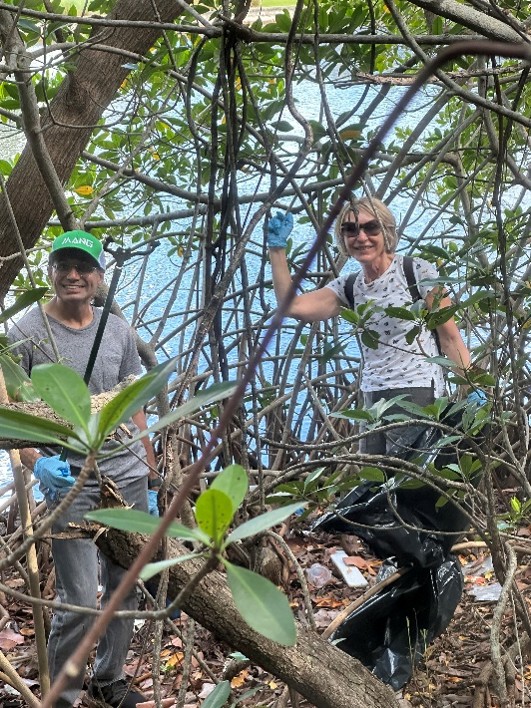
June 14th, 2025 – Tackling Pollution at Secret Woods
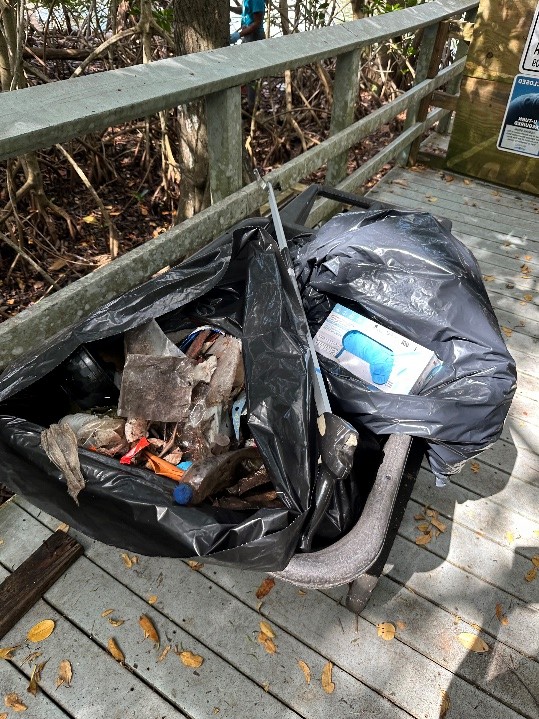
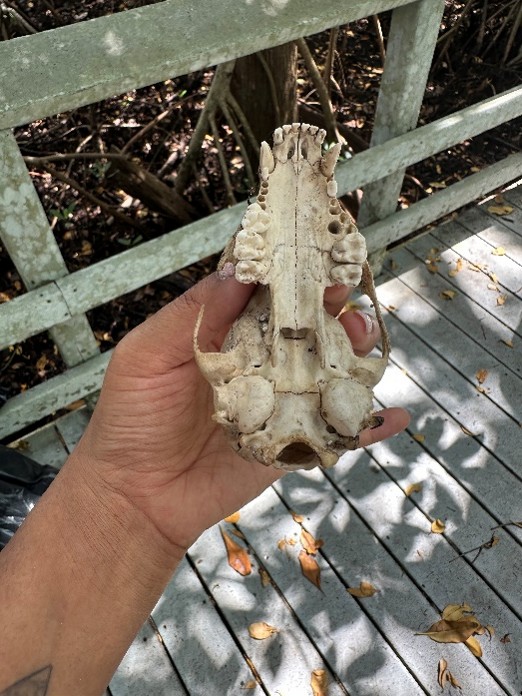
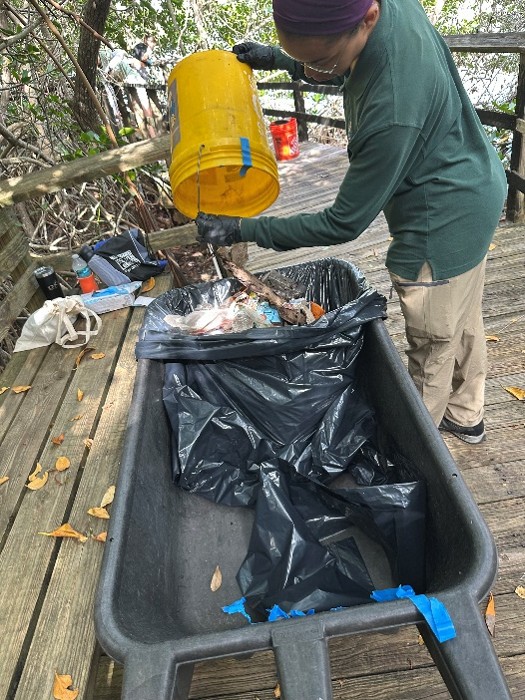
On a sweltering Saturday morning, a determined group of Eco-Teers laced up their boots and got to work at Secret Woods Nature Center, removing five massive 100-gallon bags of waste from the park’s fragile natural areas.
This wasn’t just about cleaning up litter—it was about taking a stand against a growing environmental crisis. In recent years, South Florida has faced devastating sewage spills, including an alarming 126-million-gallon dump into Fort Lauderdale’s waterways in a single event. These pollutants suffocate marine life, fuel harmful algal blooms, and damage coral reef systems already weakened by rising temperatures and acidification.
By clearing debris from natural areas before it reaches the water, Eco-Teers help protect the health of our wetlands, rivers, and ocean ecosystems. Their efforts play a small but mighty role in turning the tide on water pollution—and in protecting the wildlife and communities who rely on clean, safe water.
June 21st, 2025 – Milkweed Magic at Flamingo Gardens
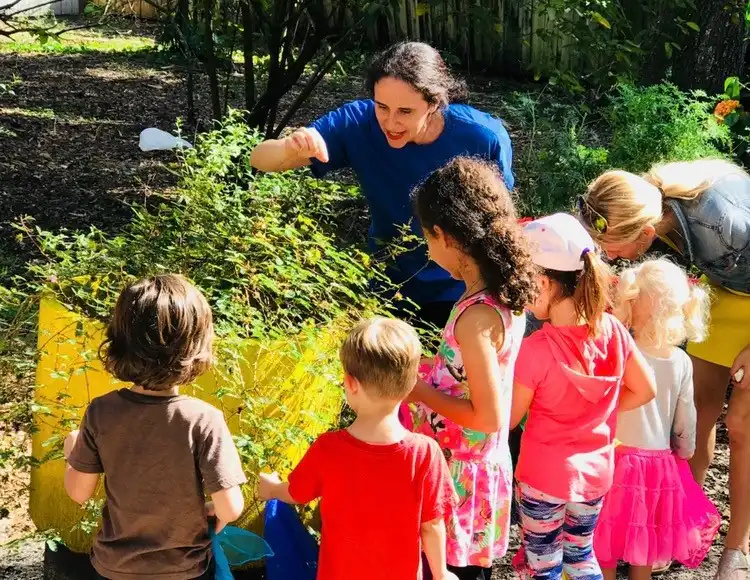
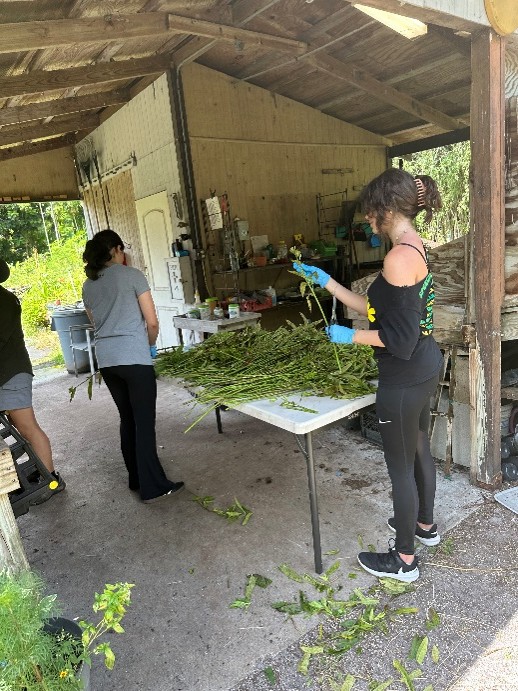
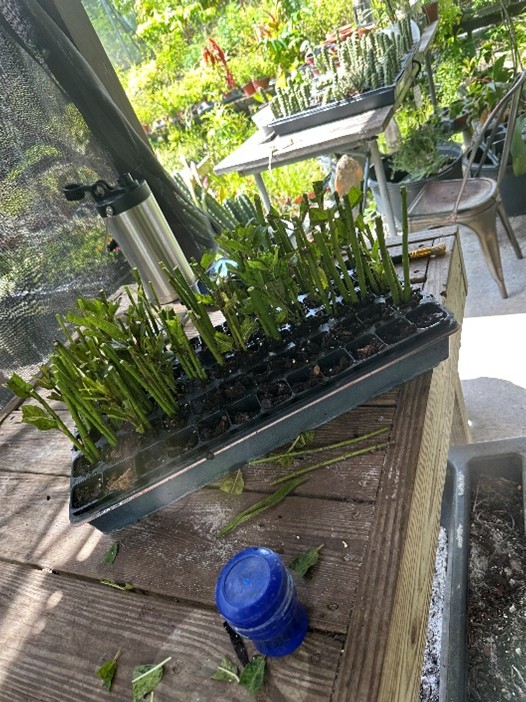
Just one week later, the Eco-Teers gathered again—this time at the Flamingo Gardens Nursery for a special hands-on workshop all about milkweed, the lifeline of the monarch butterfly.
Participants discovered the vital role these native plants play in Florida’s ecosystem. Monarch butterflies can only lay eggs on milkweed, and their caterpillars rely on it as their sole food source. With monarch populations having dropped by more than 80% in recent decades, habitat restoration is more important than ever.
Through interactive lessons and propagation demonstrations, volunteers learned how to grow and care for milkweed at home. These newly acquired skills empower them to become habitat heroes—helping to build pollinator corridors across neighborhoods and public spaces that support not only monarchs but also bees, wasps, and other beneficial insects.
DID YOU KNOW?
Healthy pollinator populations are essential for over 75% of flowering plants and more than one-third of global food crops. Supporting species like the monarch butterfly isn’t just beautiful—it’s essential.
Why It Matters
Eco-Teer events like these highlight how small, local actions can have far-reaching ecological impact. From removing pollution that chokes marine life to restoring native plants that keep pollinator networks alive, every volunteer hour contributes to a more resilient environment.
Ready to get involved?
Join the movement to restore, protect, and rewild South Florida’s natural spaces.
Email EcoTeer Coordinator Ashley Vieira at [email protected] to sign up or learn more.